
When you think of Jewish beef brisket, imagine the rich aroma of slow-cooked meat filling your kitchen. The brisket becomes tender, almost melting in your mouth after hours of simmering in a flavorful sauce.

Don’t worry if this is your first time cooking brisket; it's a straightforward process. You can adjust the seasonings to your taste and trust that it will still turn out delicious.
Why This Recipe Works
This Jewish beef brisket recipe shines because of its slow cooking method at a low temperature, which breaks down the tough fibers in the meat, making it tender. The combination of savory ingredients in the sauce balances well with the richness of the brisket, creating a comforting dish that's perfect for family gatherings. Now, let's explore how to prepare this delightful meal step by step.
The One Thing That Makes It Work
- The key to a successful Jewish beef brisket lies in the slow cooking process at a low temperature, which allows the meat to become tender and flavorful.
- This method enhances the dish's rich taste while ensuring that each bite is succulent and satisfying.
Now that you understand the importance of slow cooking, let’s explore each step of the recipe in detail for perfect results.
Essential Ingredients
To create a delicious Jewish beef brisket, gather the following ingredients that contribute to its rich flavor.
- 4 pounds beef brisket: Choose a well-trimmed cut for optimal tenderness and rich flavor during cooking.
- 2 teaspoons kosher salt: This will enhance the natural flavors of the brisket; season generously on all sides.
- 1 teaspoon black pepper: Freshly ground pepper adds a nice kick and depth to the seasoning.
- 2 tablespoons vegetable oil: Use for searing the brisket; it helps achieve a beautifully browned crust.
- 2 cups beef broth: Opt for low sodium to better control the overall saltiness of the dish.
- 1 cup onions: Finely chopped onions provide sweetness and depth; sauté until translucent for best results.
- 4 cloves garlic: Minced garlic adds aromatic richness; ensure it’s fresh for maximum flavor impact.
- 1 cup carrots: Sliced carrots offer sweetness; chop into uniform pieces for even cooking.
- 1 cup celery: Sliced celery contributes crunch and an herbaceous note; use fresh stalks for best flavor.
- 1 tablespoon tomato paste: This ingredient deepens the sauce's flavor profile; stir in well during cooking.
- 1 tablespoon brown sugar: Balances acidity and enhances caramelization in the sauce for a richer taste.
- 2 tablespoons Worcestershire sauce: Adds umami richness, enhancing the overall depth of flavor in your brisket dish.
- 1 teaspoon dried thyme: Dried thyme infuses earthiness; use fresh if available, as it has a brighter flavor.
The full ingredients list, including measurements, is provided in the recipe card directly below.
Do This, Not That
- When preparing your Jewish beef brisket, opt for low-sodium beef broth to control the saltiness instead of regular broth, which can overpower the dish.
- Use freshly ground black pepper for a more vibrant flavor, avoiding pre-ground versions that may lack freshness.
- Lastly, be sure to season your brisket generously with kosher salt rather than table salt, as it provides a better texture and flavor balance.
With these tips in mind, you're ready to create a deliciously tender Jewish beef brisket that will impress your guests.
Step-by-Step Method
Start by preheating your oven to 300°F (150°C). This low heat is key for making the beef brisket tender and juicy as it cooks slowly.
Next, pat the brisket dry with paper towels. A dry surface helps create a nice brown crust when you sear it. Generously season all sides of the brisket with kosher salt and black pepper, ensuring an even flavor throughout.
In a large Dutch oven, heat vegetable oil over medium-high heat until it's shimmering. Carefully add the brisket to the pot, searing each side for about 4-5 minutes until browned. This step adds rich flavor and a delightful aroma to your kitchen.
Remove the brisket from the pot and set it aside on a plate. In the same pot, toss in chopped onions, garlic, carrots, and celery. Sauté them for about 5-7 minutes until they soften and the onions become translucent, filling your space with a savory scent.
Stir in tomato paste, brown sugar, Worcestershire sauce, and dried thyme before pouring in low-sodium beef broth. Scrape up any browned bits from the bottom of the pot; these add depth to your sauce.
Return the seared brisket to the pot, ensuring it’s submerged in the sauce. Cover with a lid and place it in the oven for 3-4 hours until fork-tender. Once it's finished cooking, let it rest for at least 20 minutes before slicing against the grain into thin pieces.
Now that you've mastered this step-by-step method for jewish beef brisket, let's explore some delicious side dishes to serve alongside it.
Troubleshooting (If Something Goes Wrong)
If your jewish beef brisket turns out tough, it may need more time in the oven; continue cooking until fork-tender. If the sauce is too thin, try simmering it on the stovetop to reduce and thicken. Remember, every brisket is unique, and with a little patience, you can achieve a delicious result. Now, let’s explore some traditional sides that pair perfectly with this dish.
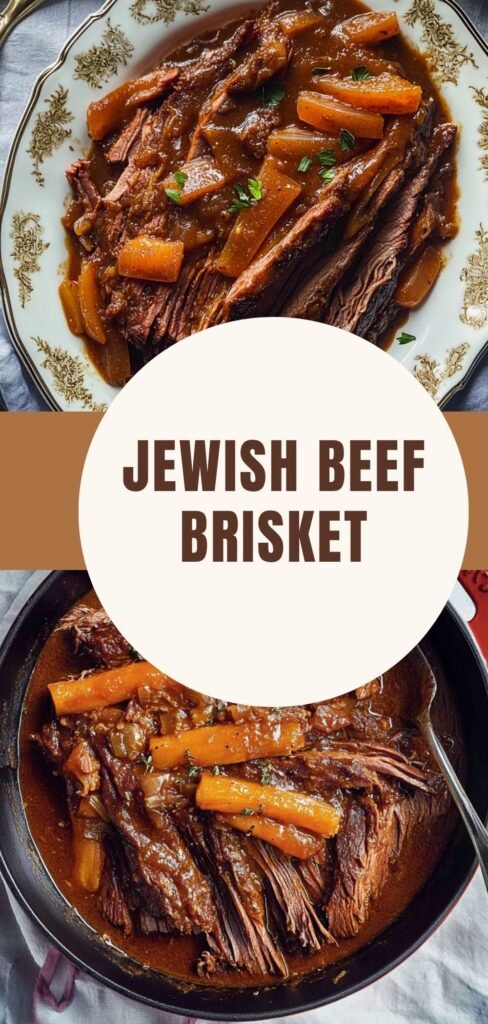
Variations You’ll Actually Want to Try
For a different twist on your Jewish beef brisket, consider adding a splash of red wine to the sauce for depth or swapping out the carrots for parsnips for a slightly sweet flavor. You can also experiment with fresh herbs like rosemary or parsley for a fresh touch. Feel free to play around with these options without any pressure! This recipe is versatile and adaptable, making it easy to cater to your taste. Next, let’s explore some traditional side dishes that pair beautifully with this delightful main course.
Pick Your Flavor Path
- For a hint of spice, consider adding a pinch of smoked paprika while sautéing the vegetables.
- To elevate freshness, toss in some chopped parsley just before serving for a vibrant finish.
- If you’re craving creaminess, serve your sliced brisket with a dollop of horseradish sauce on the side for a zesty kick.
With these flavor directions in mind, let’s move on to perfecting the cooking technique for your Jewish beef brisket.
FAQ
How long does it take to cook Jewish beef brisket?
Cooking Jewish beef brisket takes about 3-4 hours at 300°F for fork-tender results.
Can I substitute the beef broth in the Jewish beef brisket recipe?
Yes, you can use vegetable broth or chicken broth as a substitute for beef broth.
What is the best way to reheat leftover Jewish beef brisket?
Reheat the brisket gently in the oven at low temperature to maintain its tenderness and moisture.
This FAQ section should help clarify common concerns and enhance your cooking experience.




Leave a Reply